
In hospitality, FF&E—Furniture, Fixtures, and Equipment—is essential to how a hotel looks, feels, and functions. These are the movable items that aren’t part of the building’s structure but are critical to daily operations. Think of beds, chairs, desks, TVs, lighting, and in-room safes. These items shape the guest experience and help define a hotel’s identity. Whether it’s a luxury resort with custom-made pieces or a business hotel focused on practical design, FF&E brings the brand to life. Beyond style, these elements also affect comfort, cleanliness, and usability—factors that directly influence guest satisfaction.
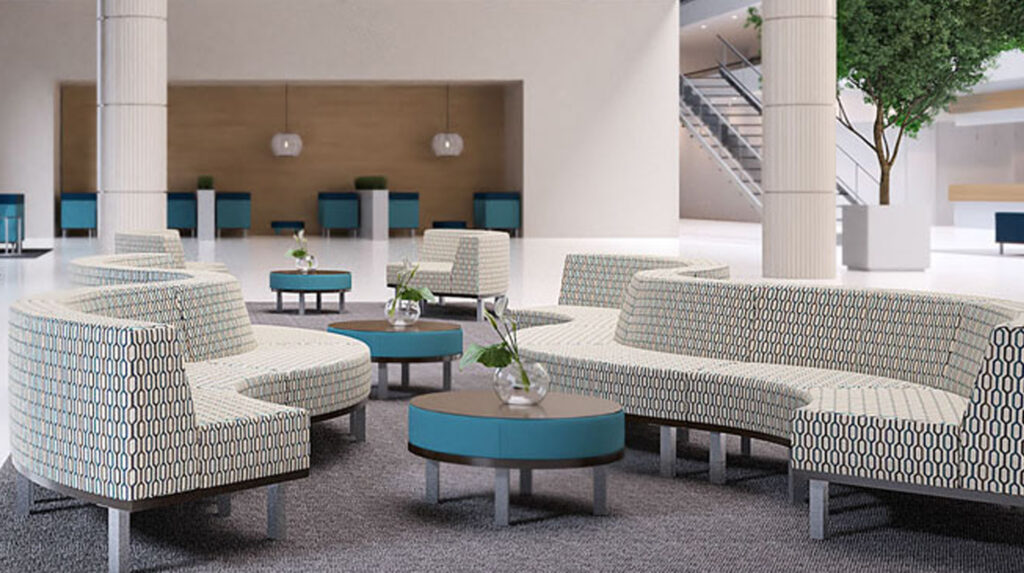
FF&E goes far beyond the guestroom. The lobby, restaurant, spa, and even back-of-house spaces rely on specific items to operate smoothly. A well-furnished hotel runs better, looks better, and makes a stronger impression. Good FF&E doesn’t just fill space—it supports the business.
FF&E is planned early in the project. Design teams list out everything needed, room by room and area by area. This list becomes part of the budget, and procurement teams begin sourcing once specifications are approved. Items are selected based on cost, quality, durability, and timeline. Strong procurement means finding the right suppliers, managing quotes, and avoiding unexpected costs.
Once orders are placed, logistics become the next focus. Many FF&E items come from different countries, so careful coordination is needed. Shipping, customs clearance, storage, and timed delivery all need to match the construction schedule. Once spaces are ready, installation teams place every item according to design plans. A final check (snagging) ensures everything is in the right spot and in working order before the hotel is handed over to operations.
FF&E in the Middle East comes with unique challenges. Customs processes can be strict, and any mistake in shipping paperwork can delay entire shipments. That’s why it’s important to work with teams experienced in the region. Materials also need to be chosen carefully—fabrics, woods, and metals must be able to handle intense heat, humidity, and dust. Many hotel projects in the Gulf aim for high-end finishes, which means working with premium suppliers or creating custom items. That takes longer, so timelines must be realistic.
Speed is another factor. Developers in the Middle East often move fast, pushing for short construction cycles. FF&E procurement and delivery must stay tightly aligned with the build schedule. Delays in furniture can mean missing the hotel opening date.
FF&E is much more than just furniture—it’s a key part of delivering a functional, guest-ready hotel. From early planning to final installation, it affects budgets, timelines, and guest satisfaction. Done right, it helps hospitality projects open on time, on budget, and with a strong first impression.
Copyright © 2026 sbd all rights reserved.